Block Paving Driveway Installation in Cambridgeshire: What You Need to Know
We've completed two block paving driveway installations in Sawtry recently — and between them they illustrate almost everything homeowners across Cambridgeshire need to understand before replacing or installing a driveway.
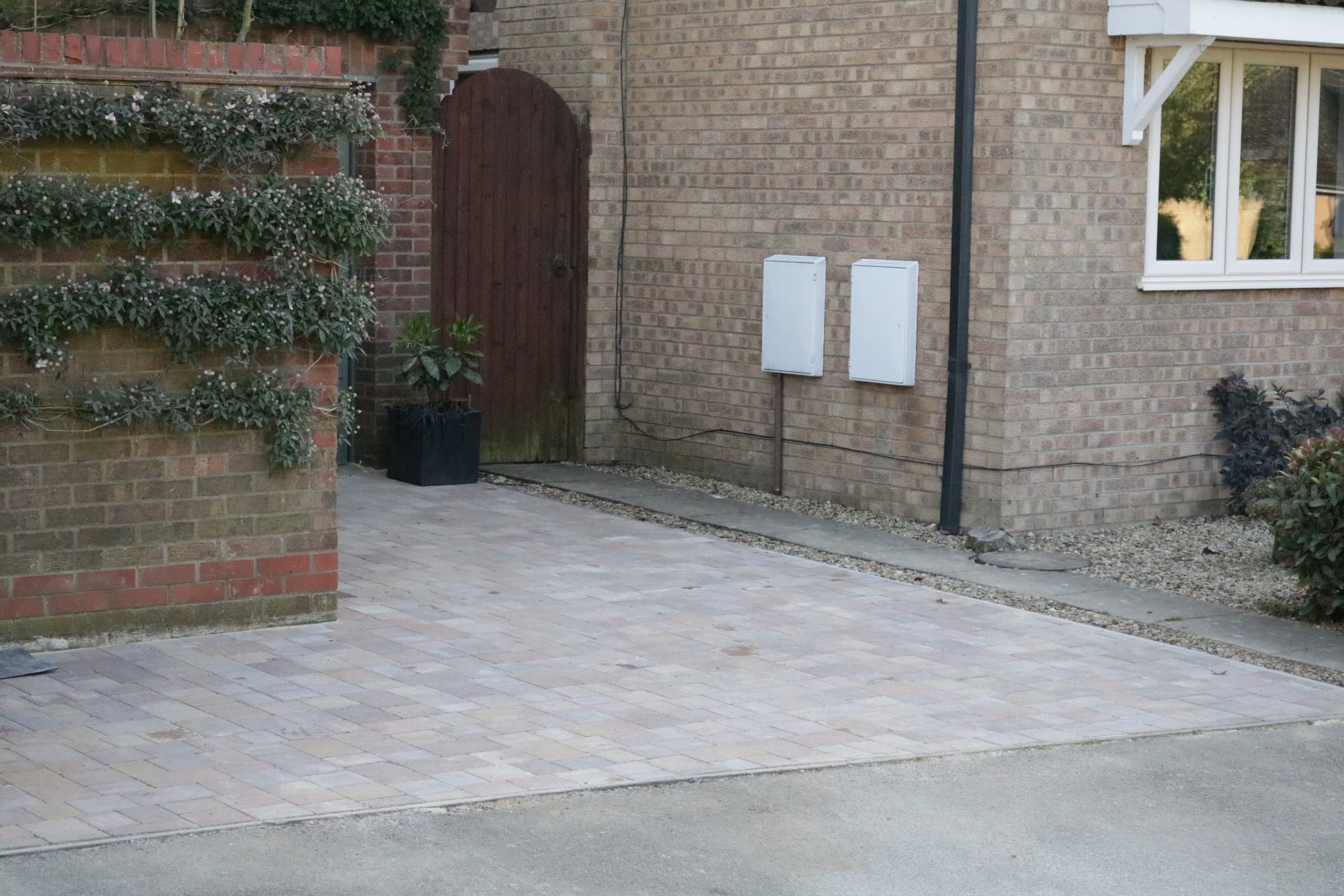
The first was straightforward: an old concrete driveway that had cracked and shifted over years of use. Concrete looks fine until it doesn't, then it deteriorates quickly and the decline accelerates. The solution was full removal, a properly prepared sub-base, and a precision-laid block paving installation that completely transformed the front of the property.
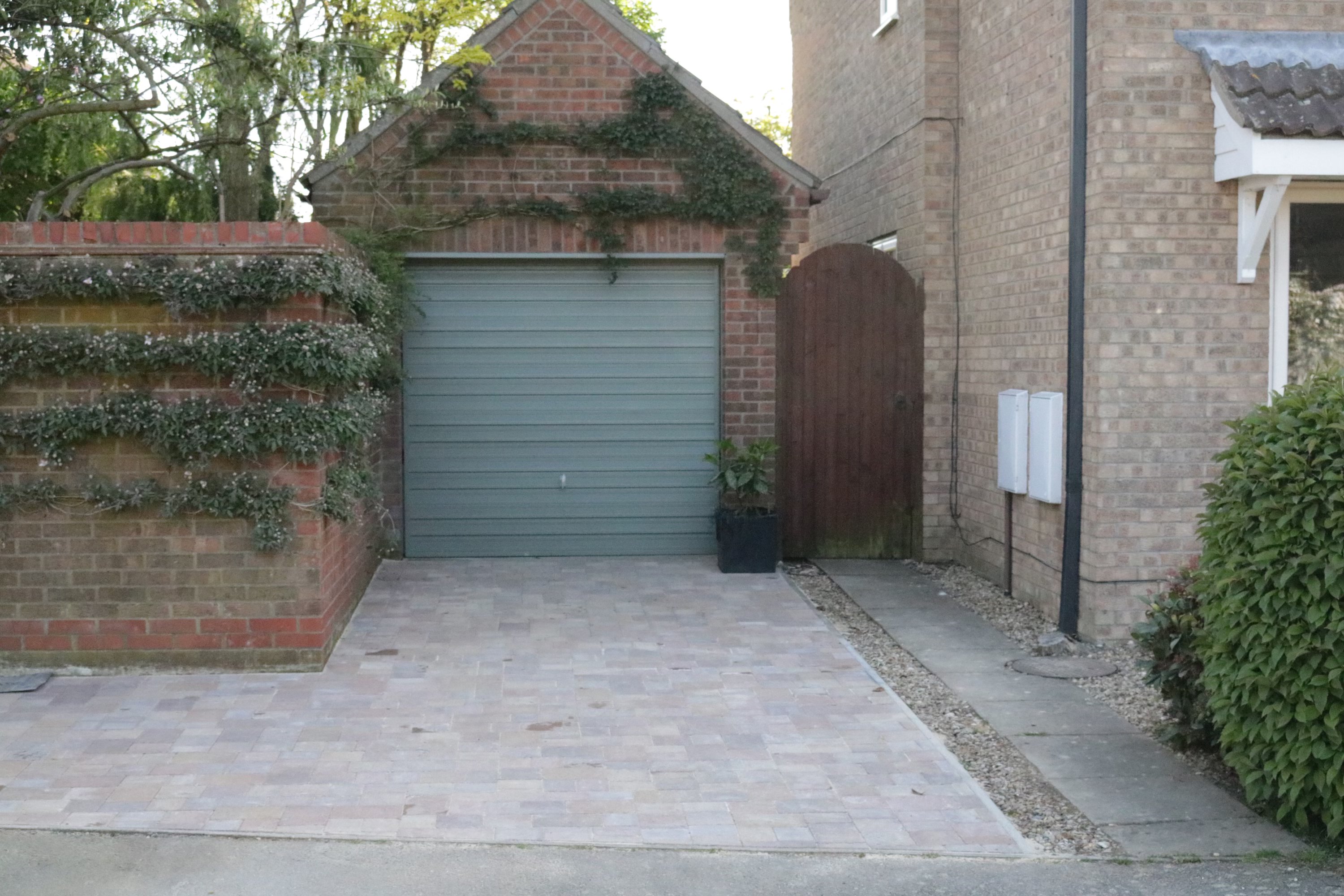
The second was an insurance job. The drive had flooded, washing the sand from underneath the blocks. Without a solid base the whole surface sank. It's one of the most common causes of driveway failure we see across Cambridgeshire — and entirely preventable with correct installation from the start.
Why the Sub-Base Is Everything
This is the part most driveway installers gloss over, and it's the single most important factor in how long your driveway lasts.
Whether it's block paving, porcelain or tarmac — the surface material is almost secondary to what sits underneath it. A poorly prepared sub-base is the reason driveways crack, sink, shift and flood within a few years of installation. We see it constantly across the region, particularly on properties where the previous installer cut corners on groundwork to keep the quote competitive.
Our process on every driveway installation:
- Full excavation to the correct depth for the surface type and expected vehicle load
- Removal of all existing material and debris
- Compacted MOT Type 1 sub-base installed to the correct depth
- Correct drainage gradient built in from the start
- Haunching and edging secured properly before any surface material is laid
It adds time and cost to the job. It's the reason our driveways don't come back to us with problems.
The Drainage Question
This is worth its own section because it's something homeowners rarely think about until it's too late.
Since 2008, permitted development rules in England require that any new driveway over 5m² must either use permeable surfacing or include drainage that directs runoff to a lawn or border — not the road or public drain. Impermeable driveways (standard block paving, concrete, tarmac) need planning permission unless drainage is properly addressed.
Most installers don't mention this. We do, because getting it wrong can cause problems with your local authority and, more practically, means your driveway floods every time it rains heavily.
Permeable block paving — where joints are filled with grit rather than compacted sand — is an increasingly popular solution that satisfies drainage requirements without compromising aesthetics. We can advise on the right approach for your specific property and plot.
Block Paving vs Porcelain Driveways — Which Is Right for You?
Block paving remains the most popular driveway choice across Cambridgeshire and Bedfordshire, and for good reason. It's durable, repairable (individual blocks can be lifted and replaced without disturbing the whole surface), and available in a wide range of colours, finishes and laying patterns. Tegula and rumbled block paving styles suit period and rural properties particularly well. Standard rectangular blocks work well with more contemporary homes.
Porcelain driveways are increasingly specified for higher-end properties where aesthetics are the priority. Large-format porcelain slabs create a seamless, sophisticated finish that's virtually maintenance-free and highly frost-resistant. They do require a higher level of installation precision — porcelain is unforgiving of any movement in the sub-base — and sit at a higher price point than block paving as a result.
Neither is universally the better choice. It depends on your property style, budget, and how much maintenance you want to do long term. We're happy to talk through both options honestly at consultation stage.
How Long Does a Block Paving Driveway Last?
A properly installed block paving driveway should last 20–30 years with basic maintenance. The key word is *properly*. Driveways that fail within five to ten years almost always come down to one of three things: inadequate sub-base depth, poor compaction, or insufficient drainage. None of these are visible once the job is finished — which is why choosing the right installer matters more than almost any other factor.
Driveway Maintenance
Block paving is low maintenance but not no maintenance. A few things worth knowing:
- Weeds will grow in the joints over time regardless of jointing sand type — an annual treatment with a path weed killer keeps this manageable
- Pressure washing every year or two removes moss, algae and grime
- Re-sanding joints every few years maintains stability and reduces weed ingress
- Any sunken or rocking individual blocks should be lifted and relevelled promptly before the problem spreads
Porcelain requires even less — an occasional pressure wash is largely sufficient.
Planning Permission for Driveways
As mentioned above, driveways over 5m² using impermeable surfaces require planning permission unless drainage is properly addressed. Most front garden driveways fall under permitted development provided drainage requirements are met. If you're unsure, we'll advise you at consultation stage — it's something we factor into every project from the start.
The Arcadia Approach
We're a family-run business and we started Arcadia because we'd experienced firsthand what it felt like to be let down by tradesmen charging premium prices for work that didn't last. The flooded driveway in Sawtry is a perfect example of what happens when installation isn't done correctly — a homeowner ends up paying twice.
Every driveway we install is built the way we'd build our own. Correct groundwork, proper drainage, quality materials, and a finish we're proud to put our name to.
We install block paving and porcelain driveways across Sawtry, Huntingdon, Alconbury Weald, St Neots, St Ives, Peterborough, Yaxley, Orton Waterville, Hemingford Grey, Cambridge, Trumpington, Grantchester, Great Shelford, Newnham, Stamford, Oundle, Oakham, Uppingham, Bedford, Woburn, Ickwell and Felmersham.
Contact Ryan at Arcadia Build & Landscape for a free, no-obligation consultation. We'll assess your existing driveway, discuss your options honestly, and provide a detailed quote before any work begins.
Ready to bring your project to life?
Contact Arcadia Build & Landscape for a free, no-obligation quote on your next landscaping or building project in Cambridgeshire & Bedfordshire.